 Read in detail
Barcelona draws outside the lines
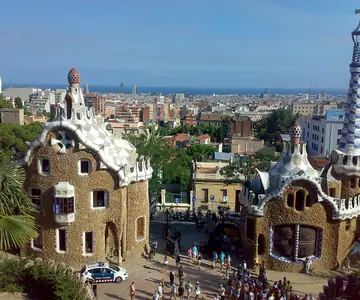
In Barcelona, Gaudí’s architecture meets the Mediterranean.
¡Qué formas tan originales!Read in detailFour themes and 60 stories and conversation situations. Open a photograph on a ring or choose a reading below for its story, Spanish phrases and practice.
60 readingsRead in detailIn Barcelona, Gaudí’s architecture meets the Mediterranean.
¡Qué formas tan originales!Read in detail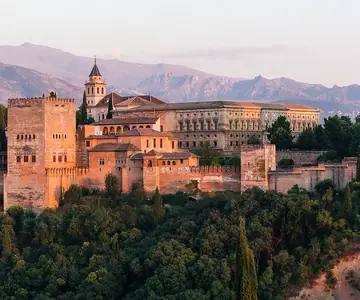 Read in detail
The Alhambra is Granada’s palace complex.
Me gustaría conocer la Alhambra.Read in detail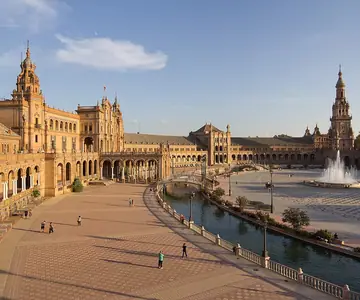 Read in detail
Seville’s Plaza de España stands beside María Luisa Park.
¿Damos un paseo por la plaza?Read in detail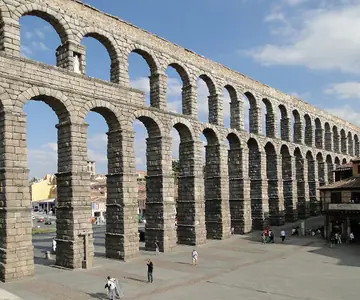 Read in detail
A Roman aqueduct marks the approach to Segovia.
¿Para qué servía el acueducto?Read in detail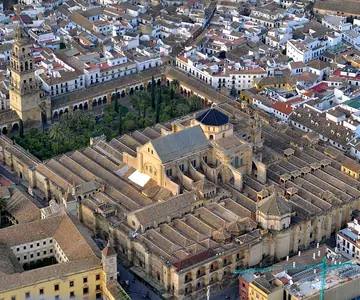 Read in detail
The Mosque–Cathedral is a major Córdoba landmark.
Cada detalle cuenta una historia.Read in detail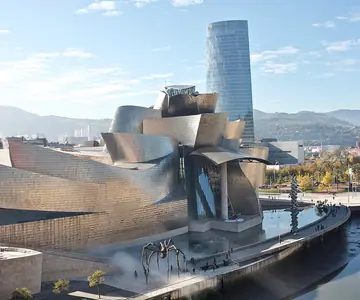 Read in detail
Bilbao’s Guggenheim Museum opened in 1997.
¿Es un edificio o una escultura?Read in detail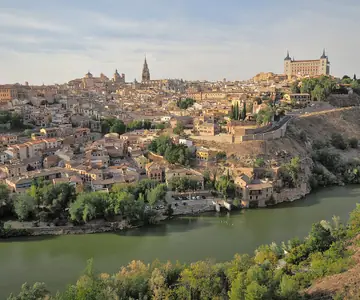 Read in detail
Toledo is known as the city of three cultures.
Me gusta perderme por estas calles.Read in detail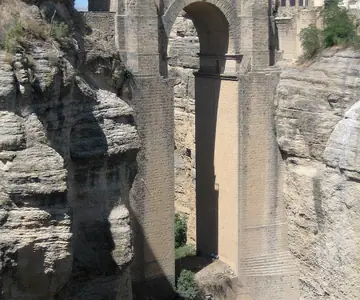 Read in detail
The deep Tajo gorge divides Ronda.
¡Qué vistas desde el puente!Read in detail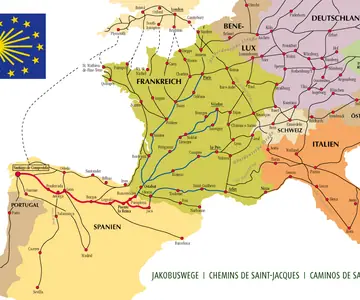 Read in detail
The Camino de Santiago is a network of routes towards Santiago de Compostela.
¡Buen camino!Read in detail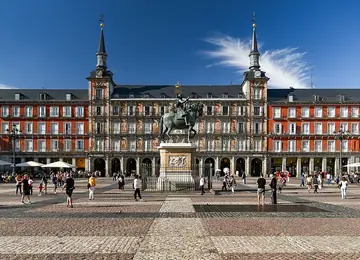 Read in detail
Plaza Mayor is a historic square in central Madrid. Arcades link its façades and give a walk a recognisable rhythm.
¿Quedamos en la Plaza Mayor?Read in detail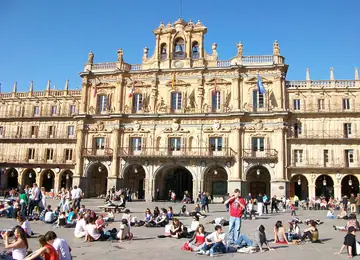 Read in detail
Salamanca’s Baroque Plaza Mayor uses Villamayor stone. Its warm colour becomes especially noticeable as the light changes.
La piedra cambia con la luz.Read in detail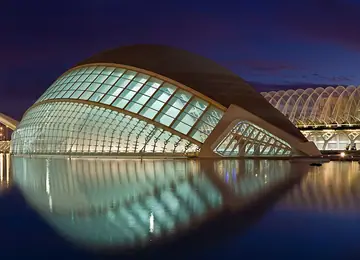 Read in detail
The City of Arts and Sciences is a modern cultural complex in Valencia. White structures, water and reflections shape its striking appearance.
¿Qué edificio te llama la atención?Read in detail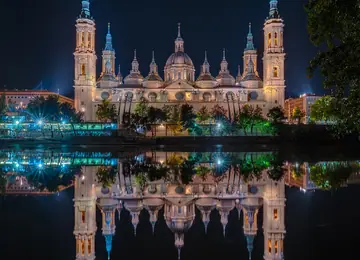 Read in detail
The Basilica of Our Lady of the Pillar is a symbol of Zaragoza. Its towers and domes can be seen from the Ebro riverbanks.
Vamos a pasear junto al río.Read in detail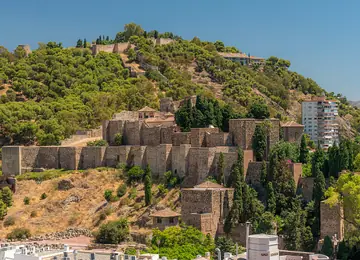 Read in detail
Málaga’s Alcazaba is a fortified palace complex on a hillside. Its appearance combines defensive walls with palace spaces.
¿Subimos hasta el mirador?Read in detail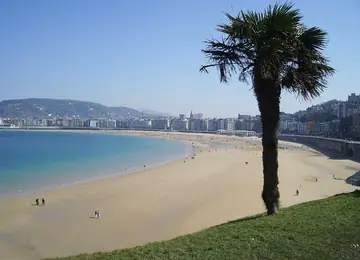 Read in detail
La Concha beach lies beside its namesake bay in San Sebastián. The curve of the shore and promenade shape a recognisable city view.
Hoy el mar está tranquilo.Read in detail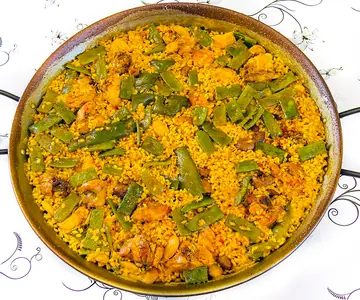 Read in detail
Valencia is closely linked with paella and other rice dishes.
Una paella para compartir, por favor.Read in detail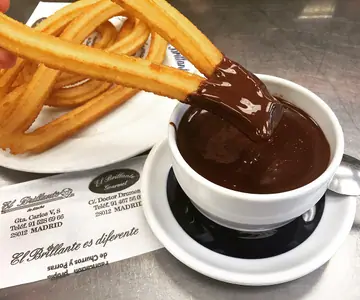 Read in detail
Hot chocolate with churros is a well-known Madrid combination.
Un chocolate con churros, por favor.Read in detail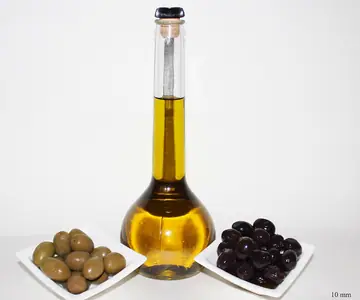 Read in detail
Jaén is surrounded by olive groves and is known for olive oil production.
¿Este aceite es de aquí?Read in detail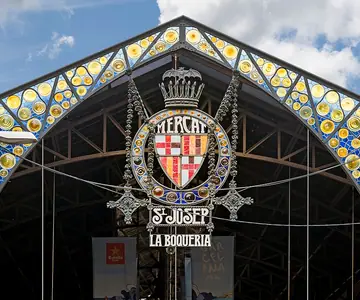 Read in detail
La Boqueria is one of Barcelona’s traditional markets.
¿Cuánto cuesta un kilo?Read in detail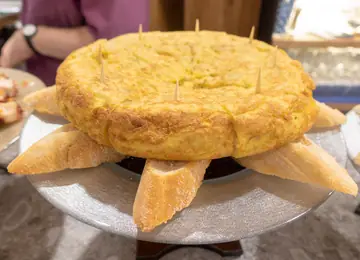 Read in detail
Spanish tortilla de patata is made with potatoes and eggs. Versions with and without onion invite a conversation about personal preferences.
¿La prefieres con cebolla o sin cebolla?Read in detail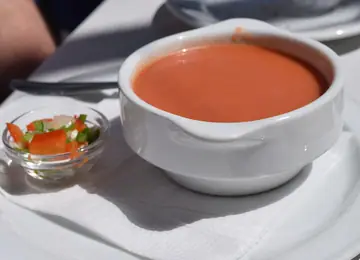 Read in detail
Gazpacho is a cold preparation based on vegetables, including tomatoes. Recipes and ways of serving it vary.
¿El gazpacho se sirve frío?Read in detail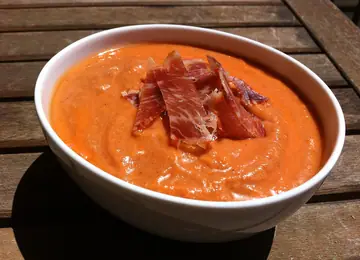 Read in detail
Salmorejo is associated with Córdoba. Tomatoes, bread and olive oil form the basis of this thick cold dish.
¿Qué lleva el salmorejo?Read in detail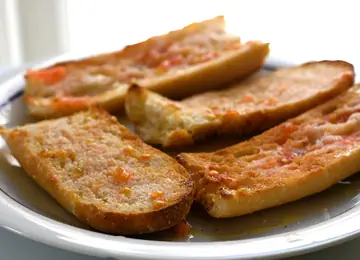 Read in detail
Pan con tomate combines bread, ripe tomato and olive oil. A simple combination helps introduce breakfast vocabulary.
Una tostada con tomate, por favor.Read in detail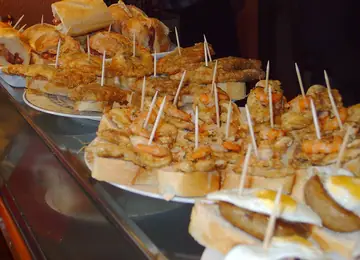 Read in detail
Pintxos are small bites prominent in Basque food culture. In San Sebastián they are closely linked with socialising in bars.
¿Cuáles me recomiendas?Read in detail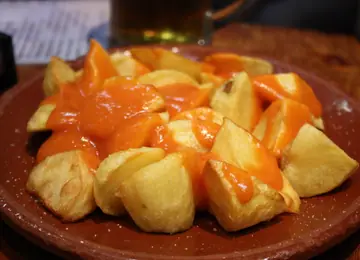 Read in detail
Patatas bravas are a familiar potato-and-sauce tapa. The heat and preparation of the sauce can vary.
¿La salsa pica mucho?Read in detail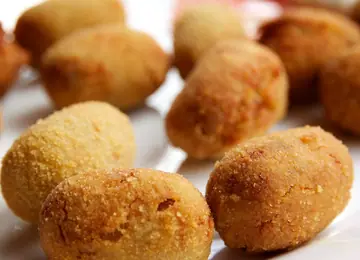 Read in detail
Croquetas come with different fillings, including mushrooms or cheese. Their appearance alone cannot reliably tell you the ingredients.
¿De qué son estas croquetas?Read in detail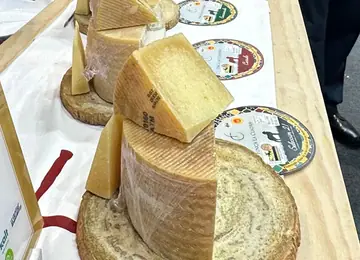 Read in detail
Manchego is made from the milk of Manchega sheep. Its name is linked to the region of La Mancha.
Un poco de queso para compartir.Read in detail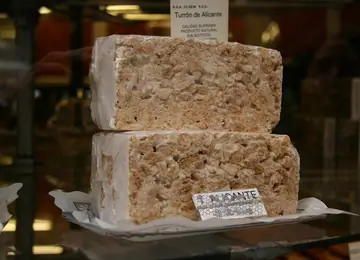 Read in detail
Well-known turrón varieties include firm Alicante turrón and soft Jijona turrón. They introduce useful words for the texture of sweets.
¿Lo quieres blando o duro?Read in detail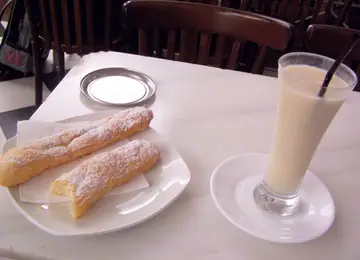 Read in detail
Valencian horchata is made from chufas, small edible tubers. It is often paired with elongated pastries called fartons.
Una horchata bien fría, por favor.Read in detail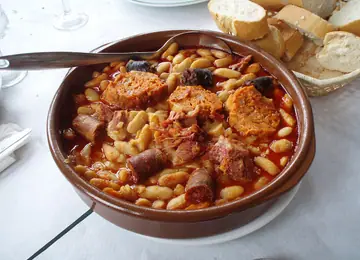 Read in detail
Fabada is an Asturian dish based on white beans with meat accompaniments. It is an example of Spain’s regional culinary variety.
¿Compartimos una ración?Read in detail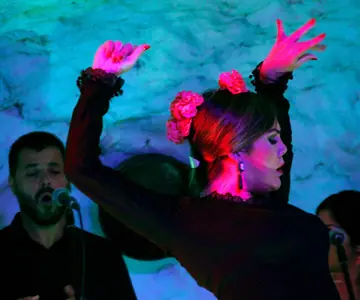 Read in detail
Flamenco brings together song, dance and guitar.
Me encanta el sonido de la guitarra.Read in detail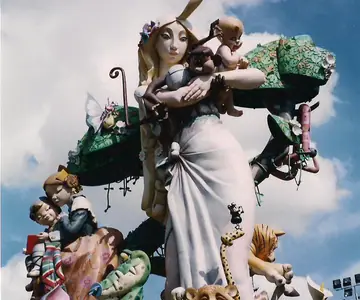 Read in detail
Valencia’s Fallas are known for their huge festive figures.
¡Cuánto trabajo hay en esta figura!Read in detail Read in detail
Catalonia celebrates Sant Jordi on 23 April.
Este libro es para ti.Read in detailRead in detailThe Alhambra is Granada’s palace complex.
Me gustaría conocer la Alhambra.Read in detailRead in detailThe Camino de Santiago is a network of routes towards Santiago de Compostela.
¡Buen camino!Read in detail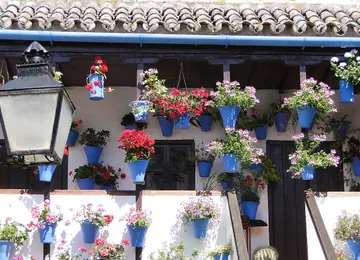 Read in detail
Córdoba’s courtyard festival brings together flower decoration, hospitality and neighbourly exchange. The tradition is on UNESCO’s intangible heritage list.
¡Qué patio tan bonito!Read in detail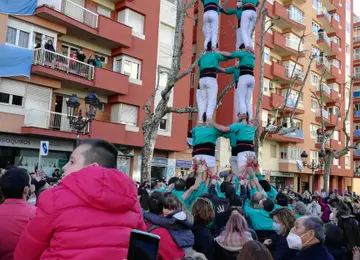 Read in detail
Castells are human towers built by teams in Catalan festivities. UNESCO describes them as a collective cultural practice.
Todos formamos parte del equipo.Read in detailRead in detailCeramic panels and decorative tiles are a distinctive part of Seville’s Plaza de España. Patterns invite a closer look at architecture.
Mira los colores de estos azulejos.Read in detail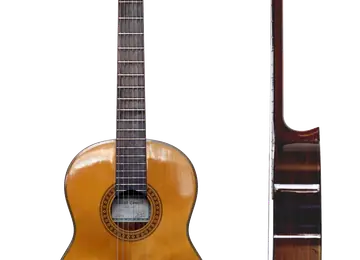 Read in detail
The guitar is associated with Spanish musical culture and flamenco. Talking about music lets beginners describe impressions in simple words.
¿Te gusta el sonido de la guitarra?Read in detail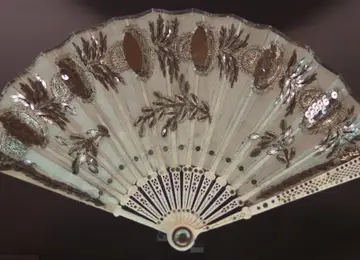 Read in detail
A folding fan opens on connected ribs. Its material, pattern and movement turn an everyday object into a conversation topic.
Este abanico tiene un dibujo precioso.Read in detail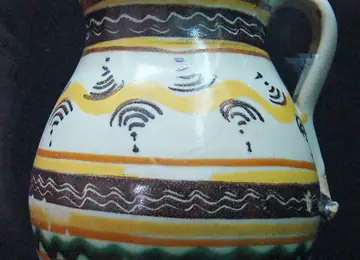 Read in detail
Talavera ceramics connect Spanish and Mexican workshops. UNESCO recognises the knowledge and manual processes passed between generations.
¿Está pintado a mano?Read in detail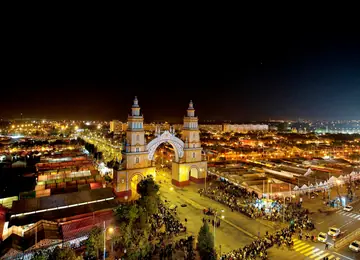 Read in detail
Seville’s April Fair is associated with music, festive clothing and socialising. Illuminations create a distinctive evening atmosphere.
Hay música y luces por todas partes.Read in detail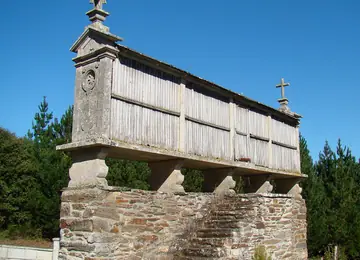 Read in detail
Galician hórreos are raised structures used to store harvests. Their construction uses stone or wood.
¿Para qué sirve esta construcción?Read in detail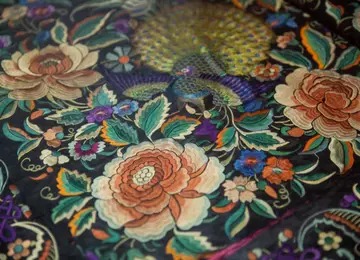 Read in detail
The history of the mantón de Manila connects Chinese embroidery with trade routes through the Philippines. The shawl became part of Spanish dress culture.
El bordado está lleno de flores.Read in detail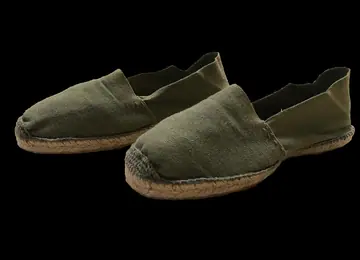 Read in detail
Alpargatas are lightweight shoes with a textile upper and a sole made from plant fibres. A familiar object introduces useful everyday vocabulary.
¿Tienen estas alpargatas en mi talla?Read in detailRead in detailClassroom situation: you arrive at a meeting and want to do more than say hello; you want to show interest in the other person.
¡Hola! ¿Qué tal?Read in detailRead in detailClassroom situation: at a first meeting, give your name and respond politely. Even a short line begins a real exchange.
Me llamo Ana. Encantada.Read in detailRead in detailClassroom situation: the other person speaks too quickly. A polite request to repeat helps keep the dialogue moving.
¿Puedes repetir más despacio, por favor?Read in detail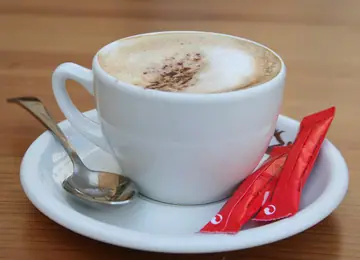 Read in detail
Classroom situation: you order a drink at the counter. A short question may follow about where you plan to drink it.
Un café con leche, por favor.Read in detailRead in detailClassroom situation: you are at a vegetable stall. Name the product and quantity, then understand an offer of anything else.
Medio kilo de tomates, por favor.Read in detailRead in detailClassroom situation: you are looking for a square in an unfamiliar city. The question and simple route words both matter.
Perdona, ¿cómo llego a la plaza?Read in detail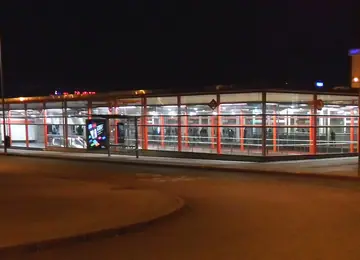 Read in detail
Classroom situation: you check a metro map and confirm a direction. This practice dialogue is not a current transport map.
¿Esta línea va al centro?Read in detailRead in detailClassroom situation: before visiting a place, you ask when it opens. Practise the difference between asking the time and asking at what time.
¿A qué hora abre?Read in detail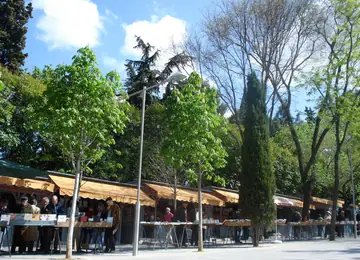 Read in detail
Classroom situation: you are choosing a Spanish book and want to explain your level and interests briefly.
Busco un libro para principiantes.Read in detailRead in detailClassroom situation: you approach a reception desk and give the name on a reservation. The picture illustrates a courtyard atmosphere.
Tengo una reserva a nombre de Ana.Read in detailRead in detailClassroom situation: you sit down with friends and want to look at the menu before placing an order.
¿Podemos ver la carta?Read in detailRead in detailClassroom situation: you discuss food and want to express your preference without automatically agreeing with everything your friend likes.
Me gusta probar cosas nuevas.Read in detailRead in detailClassroom situation: you agree on a convenient time and place. A clear landmark is more useful than simply saying “in the centre”.
¿Te viene bien a las seis?Read in detailRead in detailClassroom situation: before a walk, you discuss what you see outside. The task is description rather than an exact weather forecast.
Hace viento, pero hay sol.Read in detailRead in detailClassroom situation: a short meeting is ending. You can say goodbye and wish the other person a good day.
¡Hasta pronto! Que tengas buen día.Read in detail